UX STRATEGY LEAD
LP Building Solutions Website
Launched September 2025
LP came to us wanting an enterprise website redesign in order to better meet the needs of multiple audiences, improve the discoverability of their platform and drive leads. Their builder audience had a hard time finding the documents and installation info they needed, while homeowners struggled to understand the next steps needed to reside their home with LP. We set out to create a singular platform that could keep up with LP’s need to deliver dynamic, personalized content to the right user at the right time.
Visit the Site →
KEY PERFORMANCE INDICATORS
Successful Site Search & Downloads
The professional builder audience comes to the site looking for specific documents like warranties, safety sheets and tip for installation. We’ll know the site is serving this audience by analyzing search terms and results results are returned quickly with minimal errors and false starts.
Engagement with Colors & Inspo Content
The homeowner audience comes to the site looking to envision what their house could look like with LP SmartSide and understand the benefits vs. other competitors and siding material options. We measure their engagement with project-related inspiration content like color trend blog articles and measure engagement with the Home Visualizer tool, identified as a next step through every possible homeowner touchpoint.
Audience-Specific Lead Nuturing
Using the Find a Contractor tool, Homeowners can submit info for free quotes with certified LP siding installers - every part of their intended user journey pushes them toward this conversion. For Pros, use of the Where to Buy tool is a key performance indicator, as well as interaction with content for training or incentive programs that increase loyalty and product adoption.
The Challenge
Multiple Audiences: With two primary audiences (building professionals and homeowners) and multiple secondary and tertiary audiences to consider (like prospective employees, architects, investors and press), the site had a confusing structure and tried to be all things to all users.
Lead Nuturing: Multiple lead capture tools and forms lead to confusing next steps for site users and a data management nightmare for the LP team, leading to bad customer service and lost qualified leads.
Content Discoverability & Personalization: Content discoverability on the site and within search enginges was pretty ineffective and lead to dead ends and swirl for end-users.
Clunky CMS: A hard to edit CMS limited the ability to make quick fixes and view updates in drafts or staging environments.
Outdated & Inconsistent Design: The legacy site had been around for 6+ years and had dozens of client and agency-side contributors. As the years went on, design consistency went out the window the site map grew to nearly 120+ pages (not including content like blogs).
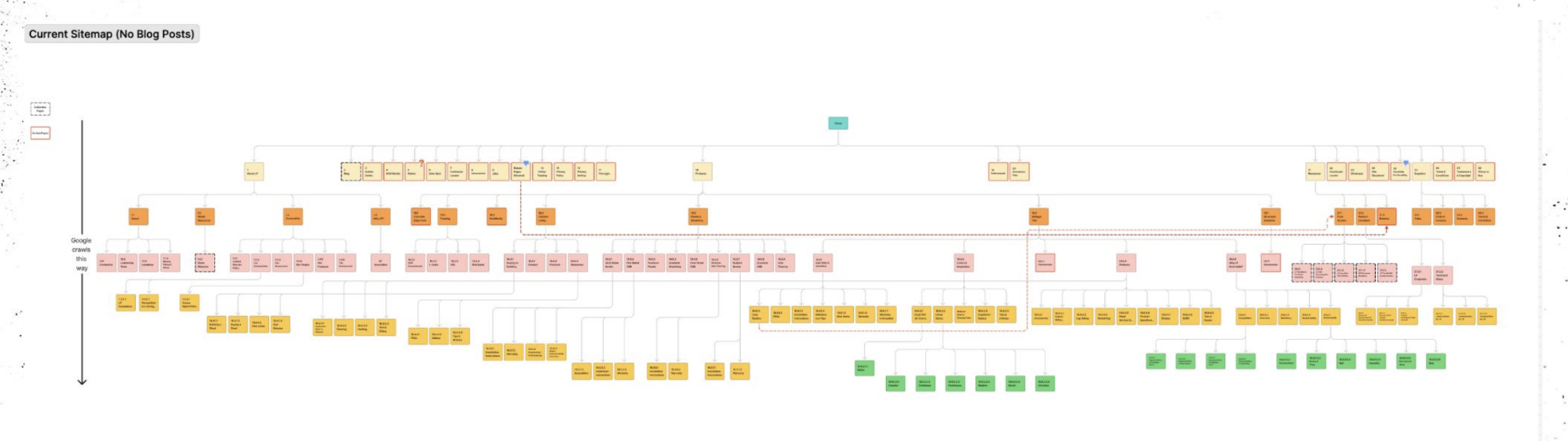
The bloated site map of the LP legacy website caused discoverability issues with users and negatively impacted search engine’s ability to match user intent with the correct content.
Approach & Process
Discovery: The month-long discovery phase that gathered stakeholder input, audience insights, brand strategy and legacy website data to determine what the new site needs to do to support business goals and users alike. This includes a broad overview of legacy site performance, competitive audits and a holistic overview of the recommended approach to the redesign.
Site Architecture: We finalize a content matrix that determines the final site map, what content goes and what edits are needed to content that stays. One of the most important takeaways from this phase are low fidelity wireframes that identify a high level content hierarchy of each page or template, as well as visualizations of the desired user journey for each audience.
Feature Design & Development: This phase includes the majority of the heavy lifting for the site. We build out high fidelity wireframes and prototypes in Figma for every kind of unique page or template on the site, outlining functional requirements and details while tying every decision back to the site strategy. At the same time we’re completing. a robust UI and design system. Everything we do in this phase is critical to a successful and timely site delivery.
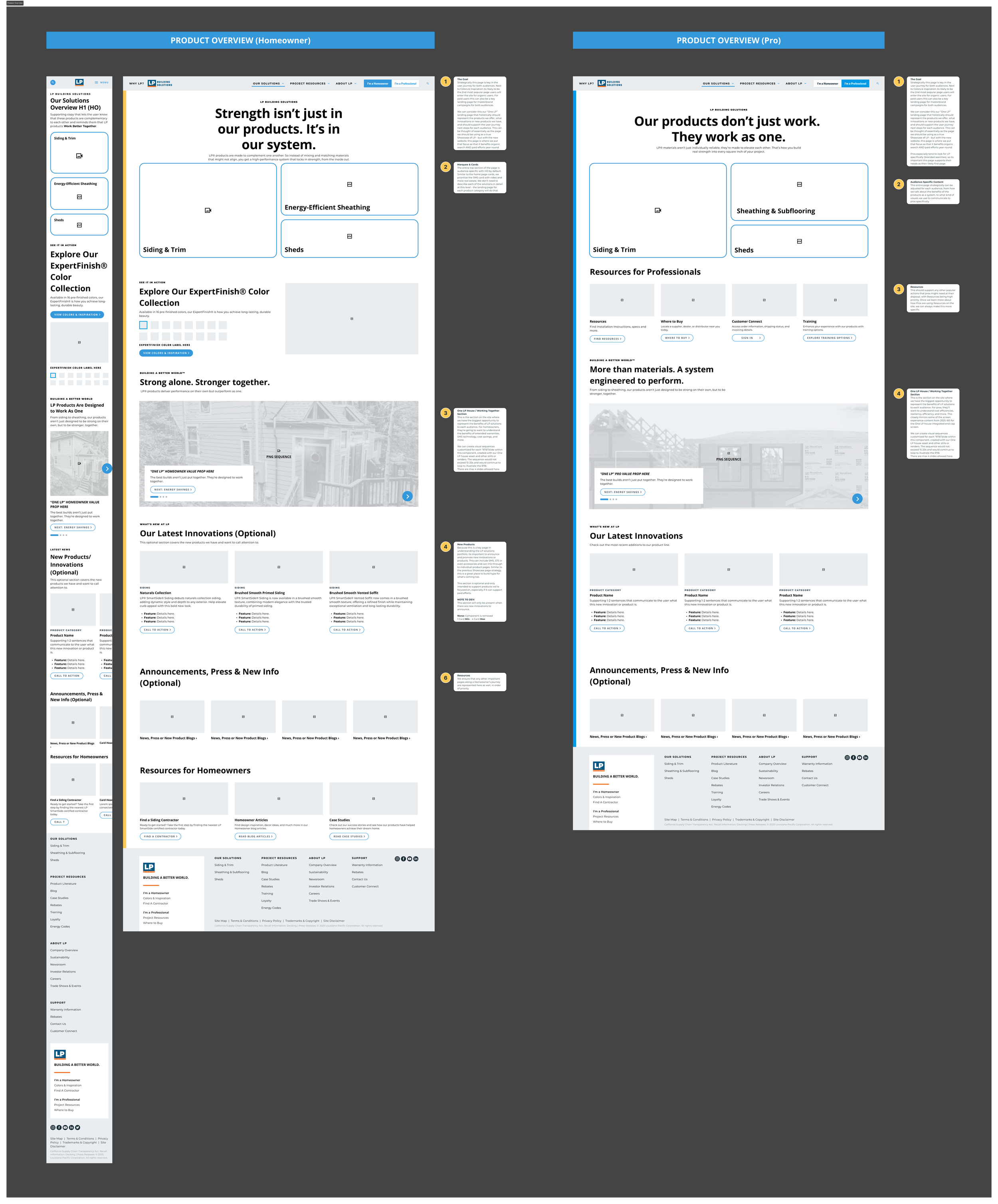
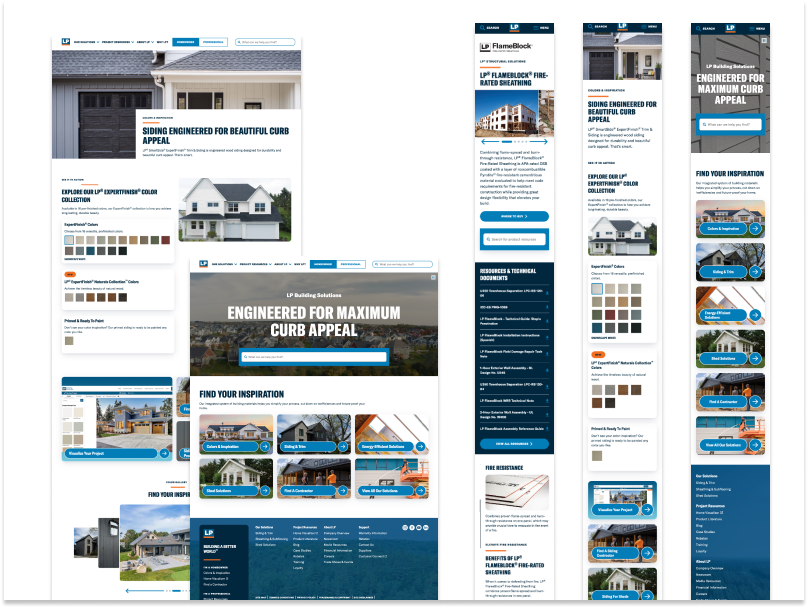
Annotated high fidelity wireframes.
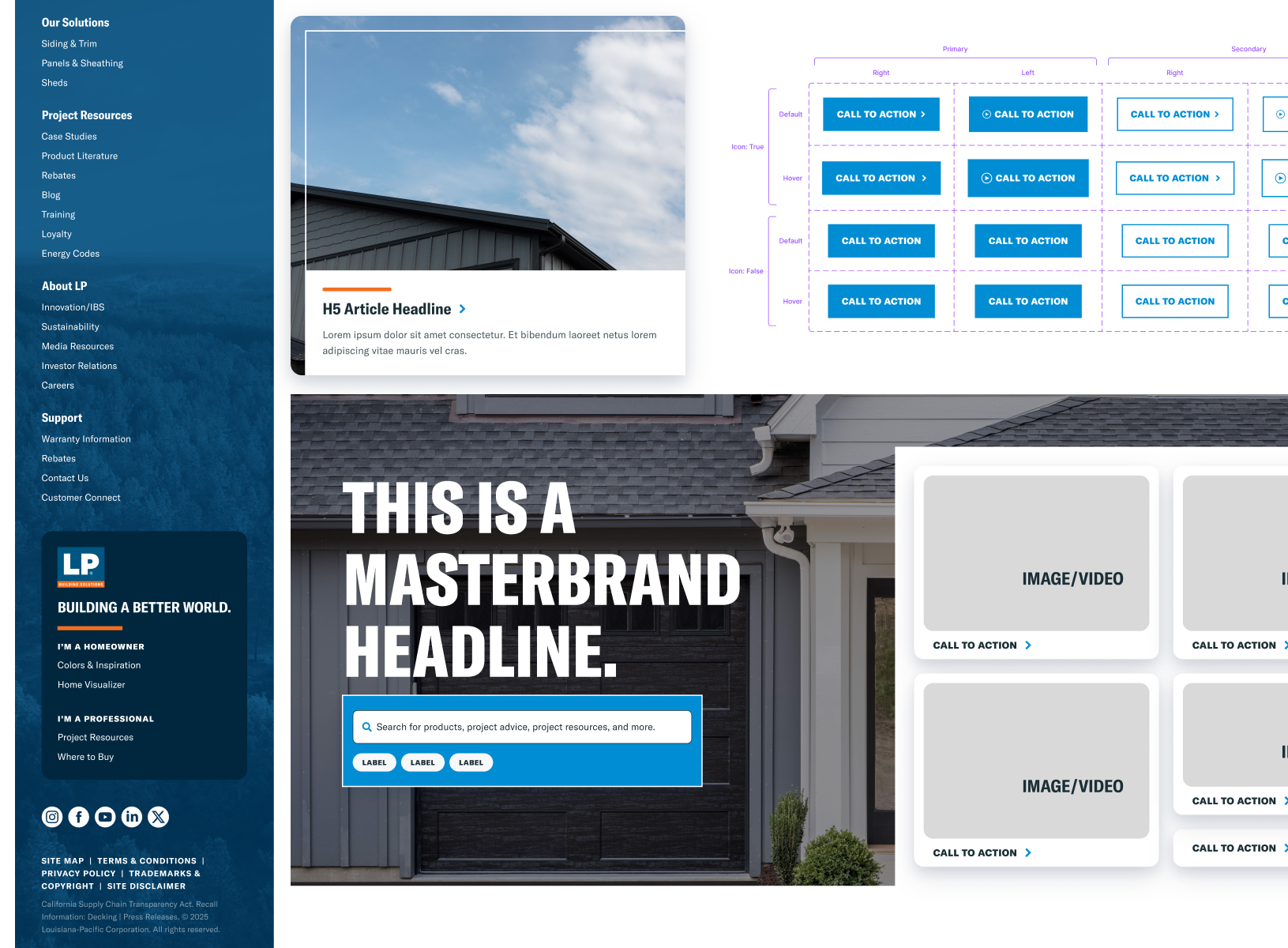
Preview of full brand and UI design system.
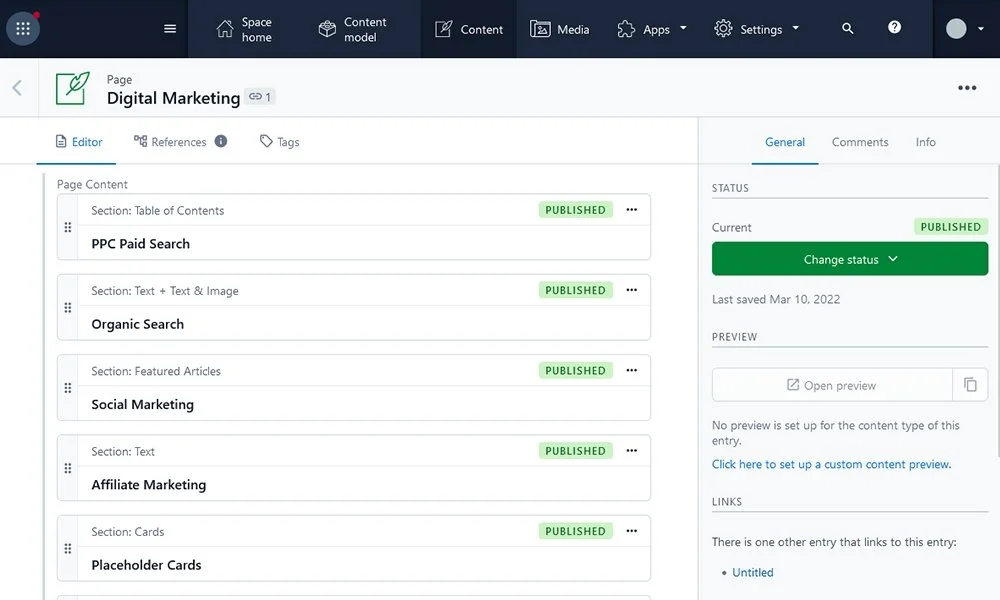
Contentful CMS platform.
Key Insights & Decisions
Smart Personalization: We chose a CMS called Contentful that allows the site to serve personalized content based on audience, organic search terms, location, language preferences and even personalizes content based on ongoing integrated campaigns and UTM codes.
Built to Scale: Our powerful tech stack includes a highly customizable CMS and back-end integrations with search tools like Angolia and front-end libaries like Storybook in order to maintain scalability, measure performance and maintain consistency.
Engaging UI: Our component library is built with engagement and play in mind with the ability to add b-roll, video players, carousels and scrolling elements throughout the site.
Seamless Navigation: We powered with Angolia to ensure users are finding the result they’re looking for in the shortest amount of time possible, while constantly optimizing the ranking and search terms to support user needs and business goals. Cross-linking content and SEO strategy allow us to capture key organic searches.
Results & Next Steps
We don’t do vanity metrics around here - indicators of site performance are nuanced and entirely based on the context of user needs and site strategy. Post-launch, we need a few months of good data in order to chart next steps forward.
Usability Testing: We’ll conduct unmoderated user testing with real site users to confirm that both pros and homeowner audiences are moving through the site as expected or uncover new insights that will improve usability and meaningful engagement.
User Behavior & Data Analysis: Tools like CrazyEgg, GoogleAnalytics and Angolia are gathering data from our users for a few months in order to build up quantitative data.
Stakeholder Feedback: We’ll hear from LP stakeholders like marketing , corporate comms, sales and engineers to ensure that the site is meeting both business and user needs.
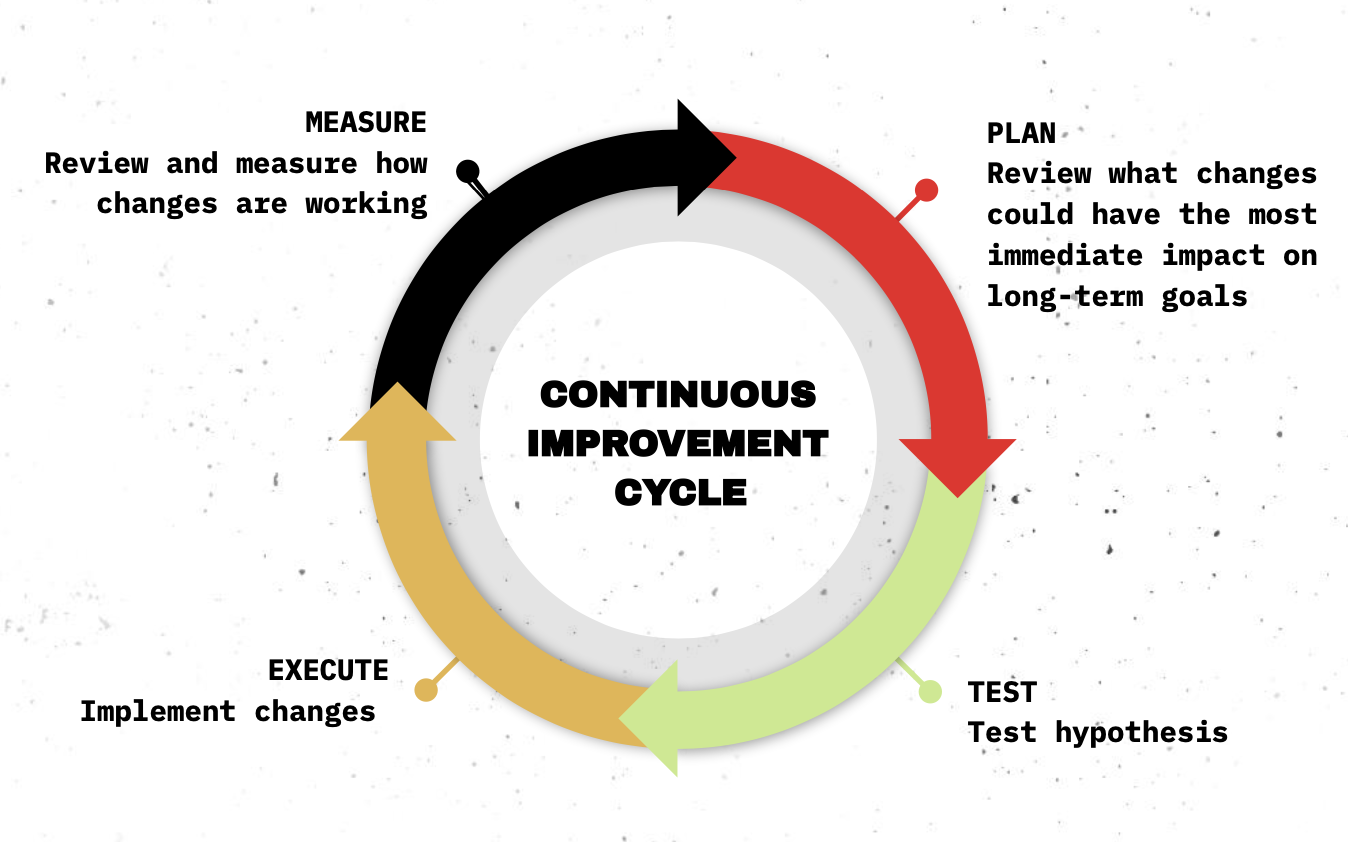
Continuous Improvement Report & Recommendations: After we spend about three months gathering and analyzing data, we’ll spin up a report that tells the story of how users are engaging with the site, what wins we’re experiencing and where we can still improve. After all, site launch is just the beginning.